
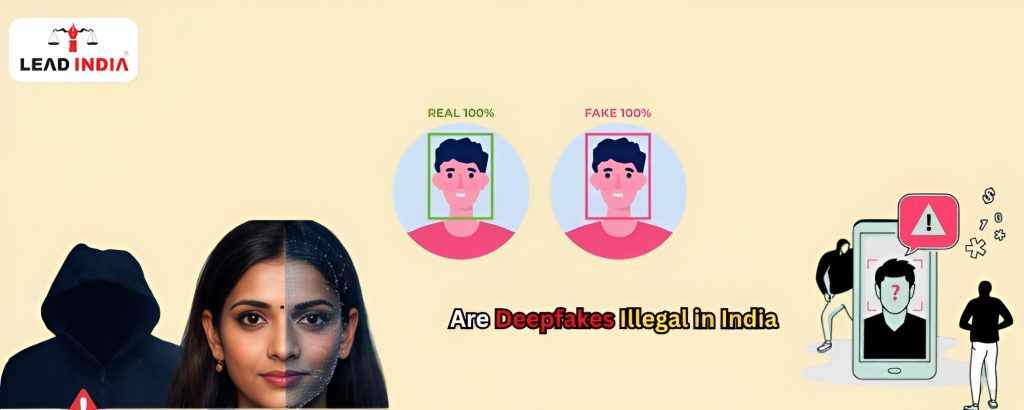
In 2026 India has not yet enacted any specific legislation covering “deepfakes,” however, the various laws in India, such as IT Act, Bharatiya Nyaya Sanhita (BNS), Data Protection Rules, defamation, obscenity, identity theft, sexual harassment, and disturbances to public order, allow the prosecution of malicious deepfake creators and distributors.
Since 2022, police departments across India have filed FIRs and made arrests related to deepfakes. In addition, the Courts have issued nearly immediate “take down” orders for deepfake materials that are potentially damaging or offensive. Depending on what action was taken against the creator of the deepfake material, violators could face a fine or a prison sentence of up to seven years for creating or disseminating the material.
Deepfakes Are Not Just Tech: They Are Real People’s Trauma
In the past year alone, the law firm has helped several victims:
- Remove fake intimate content
- Trace sources of impersonation
- Respond to deepfake financial scams
- Obtain urgent court injunctions
The threat posed by deepfakes is no longer something that can be ignored; on the contrary, they take a serious toll on people’s lives, thus Indian Courts have recognized the potential of deepfakes to inflict serious damage.
Are Deepfakes Illegal in India in 2026?
The answer is yes. Even though there is no dedicated legislative measure, the making or spreading of harmful deepfakes is punishable by law in India through a unique combination of:
- The Information Technology Act, 2000
- The Bharatiya Nyaya Sanhita, 2023
- The Digital Personal Data Protection (DPDP) Act
- Civil and constitutional privacy remedies
- Criminal defamation laws
In most FIRs filed with the help of victims, police use cyber sections along with privacy, obscenity or impersonation provisions.
Which Laws Apply to Deepfakes? (Explained With Practical Experience)
The IT Act: The First Line of Action in Most FIRs
Most deepfake FIRs I have assisted with rely on these sections:
| IT Act Section | When It Applies | What is Seen in Practice |
| 66C | Identity theft | Used when faces or voices are cloned |
| 66D | Cheating by impersonation | Common in CEO-voice scams and fraud |
| 66E | Violation of privacy | Primary section for intimate deepfakes |
| 67/67A | Obscene or sexual content | Courts take these extremely seriously |
In cases involving non-consensual intimate content, FIR registration is typically fast, and police respond promptly.
BNS (New Criminal Code): Where Deepfakes Fit In
The following are the BNS provisions that is used:
- BNS 356: Defamation
- BNS 353: Public mischief and misinformation
- BNS 64/67/69: Sexual offences involving digital content
- BNS cheating and impersonation offences
- Public order and national security offences for political deepfakes
Courts tend to take political, sexual and impersonation deepfakes very seriously due to their societal impact.
Data Protection Rules and Deepfake Liability
Where personal data such as face, voice or biometric likeness is misused, DPDP Act penalties apply.
Penalties for Deepfake Offences in India: What Actually Happens
Based on real cases:
| Offence | Law Invoked | Likely Penalty | What Happens in Reality |
| Impersonation | 66C/66D IT Act | Up to 3 years | Arrests often made within a week |
| Intimate deepfakes | 66E, 67A, BNS sexual offences | 3 to 7 years | Courts grant rapid injunctions |
| Defamation | BNS 354 | Up to 2 years | Police act quickly for public figures |
| Political deepfakes | BNS 353 | Up to 7 years | Action is expedited during elections |
| Financial fraud | IT Act + BNS | Up to 7 years | Banks cooperate with cyber cells |
Real Enforcement Examples (2023 to 2025)
- The Navsari Deepfake Arrest (2025): A man sharing a deepfake of the Prime Minister was arrested within a day. Police used BNS public-order offences and IT Act provisions.
- NSE Warning on Deepfake Financial Scams: Deepfake videos of NSE officials misguiding investors triggered regulatory alerts. Some victims sought legal help after losing money.
- High Court Removal of Deepfake Videos: High Courts have ordered the rapid takedown of deepfake videos targeting journalists and public figures, often within 12 to 18 hours.
Regulatory Direction in 2026: What Platforms and Creators Must Know
From interactions with platform compliance teams and MeitY officials, the trend is clear:
- Mandatory Labelling of AI Content: Draft IT Rules may soon require visible labels on deepfake content.
- Faster Takedowns Expected: Platforms risk losing safe-harbour protections if they delay removing harmful synthetic media.
- Traceability and Metadata Obligations: Platforms may be required to retain AI-generation metadata to identify creators.
- Strict Oversight During Elections: Election Commission guidelines treat political deepfakes as high-risk misinformation.
What Victims Should Do Immediately (Based on What Works in Real Cases)
Collect Evidence Before Anything Else
- Save the URL, screenshots, time of upload, and details of people circulating the content.
- Victims who gather evidence early get faster legal relief.
File a Cyber Crime Complaint
Use both:
- National Cyber Crime Reporting Portal
- Local Cyber Crime Police Station
- For any sexual deepfake, FIR is mandatory under law.
Send Takedown Requests
Cite IT Rules, privacy rights and recent MeitY advisories.
Platforms act quickly when legal rights are invoked correctly.
Seek a High Court Injunction
Courts often grant urgent orders directing immediate removal and blocking circulation.
Consult a Cyber Lawyer Early
Early action prevents deepfakes from going viral and reduces long-term reputational damage.
If You Create AI or Synthetic Content: Follow These Rules
- Label synthetic content clearly
- Obtain written consent before using someone’s likeness
- Do not create sexualised, defamatory or misleading deepfakes
- Preserve metadata for compliance
- Follow platform policies on AI content
Several creators have faced criminal action simply because they underestimated how serious deepfake misuse can become.
Conclusion
Deepfakes are no longer harmless experiments. They are destabilizing personal lives, reputations, families and even public institutions. In these cases, the emotional impact on victims has often been worse than the legal consequences faced by the offender.
Since there is no specific law to prosecute persons engaged in the dissemination or creation of damaging deepfakes, the Indian government uses an integrated approach, which includes a unique combination of cybercrime and criminal laws, privacy and civil problems, to enforce anti-deepfake laws and hold individuals accountable. Additionally, the courts act expeditiously, and the pressure on online digital content providers to remove harmful content is continually growing. Victims have clear legal remedies.
- Creators must act responsibly.
- Platforms must stay compliant.
As deepfake technology spreads, India’s legal system is rapidly adapting to protect citizens from this new kind of digital harm.
One can talk to lawyer from Lead India for any kind of legal support. In India, free legal advice online can be obtained at Lead India. Along with receiving free legal advice online, one can also ask questions to the experts online free through Lead India.
FAQs
1. What should I do immediately if someone has made a deepfake of me?
Save the evidence, take screenshots, note the URL, and collect profile details of the uploader. File a complaint on the National Cyber Crime Portal and your local cyber-police station. In urgent cases, especially sexual deepfakes, you can seek a quick High Court takedown order.
2. Can police refuse to register an FIR for a deepfake complaint?
No. In cases involving sexual deepfakes, FIR registration is mandatory. For other categories like impersonation or fraud, police must record either an FIR or a formal complaint. Higher authorities and cyber cells intervene quickly in deepfake matters.


 Talk to a Lawyer