
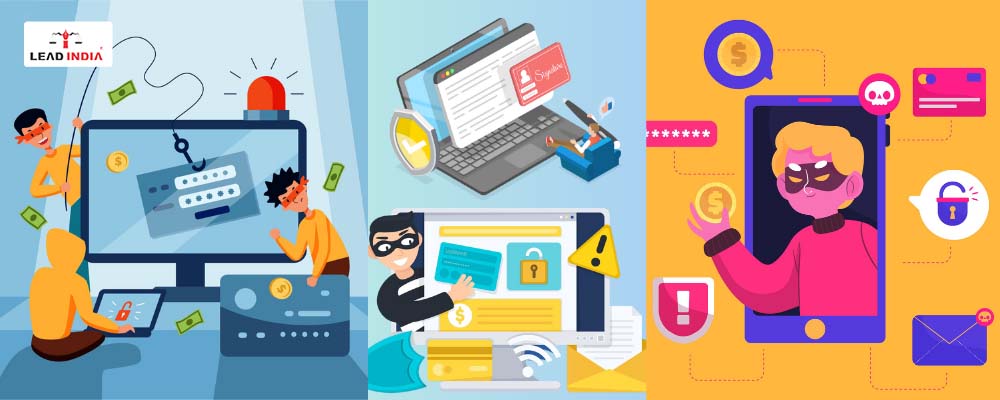
In recent years, India has seen a dangerous surge in fake digital loan apps that promise instant loans but end up exploiting users through blackmail, threats, and mental harassment. These apps often operate outside RBI’s regulatory framework and prey on people in urgent need of funds. Victims not only suffer financial losses but also experience deep emotional trauma and reputational harm.
If you’re facing harassment from such apps, understanding your legal rights and the steps to take under Indian law can make all the difference.
What Happened to Me: A Real Look at How Fake Loan Apps Trap You?
You download an app that promises instant cash. Within minutes, the money hits your account, but less than promised. Days later, they demand ten times the amount, and if you delay, your photos are morphed and sent to your contacts. This is the chilling reality many faces.
These apps are not RBI-approved, demand invasive permissions, and often vanish after looting lakhs from innocent users.
Need A Legal Advice
The internet is not a lawyer and neither are you. Talk to a real lawyer about your legal issue
Spot the Scam: Warning Signs of a Fake Loan App
Don’t fall for a scam disguised as financial help. Here’s what victims often miss:
- No RBI or NBFC registration
- No customer care, no physical address
- Crazy interest rates and extremely short repayment windows
- “Allow access to contacts” is mandatory
- Use of humiliation, threats, and edited photos to recover money
What I Did Next: Legal Steps That Actually Work in India?
If you’re in this trap, here’s what worked for real people, and will work for you too.
Filed a Cyber Crime Complaint: My First Shield
Go to www.cybercrime.gov.in and file your complaint. I did this with all screenshots and call recordings.
You can also visit the local police station and file an FIR under:
- Section 384 IPC/Section 308 (2) BNS: Extortion
- Section 506 IPC/Section 351 (2) BNS: Threats
- Section 499 IPC/Section 356 (1) BNS: Defamation
- Section 66D IT Act: Online cheating
In Shrikant v. State of Maharashtra, the court ordered police to act immediately when a victim was threatened with edited photos.
Reported to RBI: Here’s How You Can Too
Most of these apps are not RBI-authorized. I verified it here: www.cms.rbi.org.in
In 2022, RBI issued strict guidelines against these apps:
- Loans only via regulated bank accounts
- Full disclosure of lender details
- No unauthorized credit line increases
- Report all loans to credit bureaus
Got the App Removed: My Complaint to Google Play Worked
Many people don’t know this, you can report the app on the Play Store. I did this and encouraged my friends to do the same. If enough complaints go in, the app is flagged and removed.
Saved Every Message: These Became My Proof
When the harassment started:
- Took screenshots of chats
- Recorded calls
- Saved SMS and emails
- Backed up my gallery in case they misused images
Real Tip: This evidence helped when I filed a police complaint and consulted a lawyer.
Sent a Legal Notice: The Threats Stopped
With the help of a cybercrime lawyer, I sent a legal notice warning the app operators of criminal action. That alone scared them off in my case.
Approached Court for Injunction: You Can Too
If the photos or threats go public, you can get an urgent court injunction. It’ll direct social media and platforms like WhatsApp to take down the content.
Case Law: In XYZ v. Union of India, the court ordered WhatsApp and Google to take down defamatory content from a fake loan app agent.
Filed a Complaint with NHRC: Because Mental Harassment Is Real
I was mentally exhausted. If you’re also breaking down emotionally, file a complaint with the National Human Rights Commission (NHRC). Cyber threats that cause trauma violate your right to dignity and privacy under Article 21.
What No One Told Me: The Psychological Toll Is Huge?
- I couldn’t sleep for days. Every time my phone buzzed, I feared it was another humiliating message sent to my contacts.
- Don’t suffer in silence. NGOs and legal aid groups now offer free mental health counselling for cybercrime victims.
How RBI’s 2022 Guidelines Protect You Today?
Here’s what changed after thousands of such cases:
- Borrowers must get full loan disclosure
- Without bank accounts that have been approved by the RBI, no loan can be disbursed
- Consent is now required for credit increases
- Cooling-off period before final loan approval
- Reporting to credit bureaus is now mandatory
If the app doesn’t follow these, it’s illegal.
Real Cases That Shook the Nation
- Telangana Suicides (2020): Victims of harassment died by suicide. FIRs were filed for abetment and extortion.
- Delhi Police Arrests (2021): Over 20 arrests in a scam using morphed images. Apps operated from India and China.
- Cyberabad Bust (2022): Over ₹80 crore frozen. Apps were hosted on big platforms and misused phone data.
How I Now Protect Myself (And You Should Too)?
- Only borrow from RBI-registered apps or NBFCs
- Deny access to contacts or gallery
- Read app permissions and reviews before install
- Use antivirus for phone security
- Cross-check apps with RBI’s list
Government Is Now Taking Action
- CERT-In is flagging and delisting fake loan apps
- Hundreds are being removed from app stores by MeitY and RBI
- Digital India is spreading awareness about financial cybercrime
Conclusion: From Victim to Fighter, So Can You
Fake loan apps trap the vulnerable. But when I stopped panicking and took action, I got results. You don’t need to feel ashamed; you need to fight back.
If it happened to you, save everything, report it, and speak to a lawyer. You can succeed because the law is on your side.
One can talk to lawyer from Lead India for any kind of legal support. In India, free legal advice online can be obtained at Lead India. Along with receiving free legal advice online, one can also ask questions to the experts online free through Lead India.
FAQs
1. How do I check if a loan app is RBI approved?
Visit the RBI’s website or CMS portal to check if the app’s lender is registered as an NBFC or a regulated digital lender. Only apps working through RBI-licensed entities are authorized to give loans legally in India.
2. Can I go to jail for not repaying a loan from a fake app?
No, non-repayment of a personal loan from an unregulated or illegal app is not a criminal offense. However, you may face civil recovery proceedings from legitimate NBFCs. Fake apps often use illegal tactics like threats, which you can report to police.
3. Can I get compensation for mental harassment caused by a fake loan app?
Yes. You can file complaints with the National Human Rights Commission (NHRC) and seek damages for emotional trauma through civil courts. If your privacy was violated or images misused, you may also be eligible for monetary compensation under tort law.


 Talk to a Lawyer