
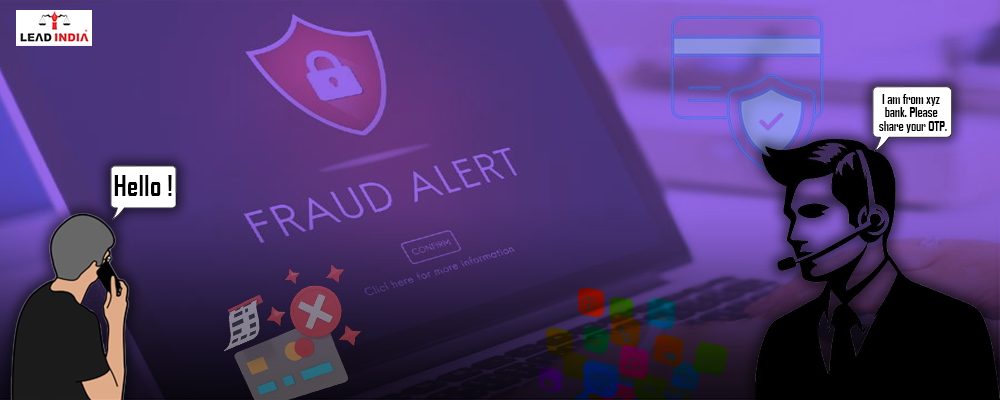
In this digital age, there has been sudden increase in the rate of cyber fraud. The cybercrime in India like phishing scams, fake job offers, UPI frauds, to online bank frauds are seen. As per National Crime Records Bureau (NCRB), cybercrime cases in India have in the last few years.
So, if you have just been a victim of cyber fraud, acting quickly could help you retrieve your losses and save others from becoming victim. This article shall discuss the legal measures, case laws, and remedies that can be availed against the cybercrime in India.
Need A Legal Advice
The internet is not a lawyer and neither are you. Talk to a real lawyer about your legal issue

Legal Steps to take If You are a Victim of Cyber Fraud
Step 1: Lock Down Your Digital World Before It Gets Worse
- What I did: I immediately blocked my bank card, changed all my passwords, and enabled two-factor authentication for every account, from Gmail to Paytm.
- Why it matters: The quicker you act, the less damage they can do. Don’t wait to “investigate” it yourself, take action.
- Quick Tip: Call your bank’s emergency helpline right away and document the date/time of the call.
Step 2: Screenshot Everything. It’s Your Legal Ammo
- My mistake: I deleted the fake job message in a panic. But, somehow I had a screenshot in my gallery.
- What to do: Keep screenshots of messages, emails, payment confirmations, phone numbers, and links. These are admissible as evidence under Section 65B of the Indian Evidence Act, 1872, provided they are certified.
Step 3: Report It Online. It’s Fast, Free, and Official
I went to www.cybercrime.gov.in, the national cybercrime reporting portal of India.
- Choose “Report Other Cyber Crime”
- Fill in your details and upload evidence
- Submit and keep the complaint ID safe
Why this matters: Your case goes directly to the local police cyber cell from here. You’ve created a digital record of your complaint, which is crucial.
Step 4: File an FIR, Even If the Fraud Happened Online
Truth: I was hesitant. FIRs felt intimidating. But I walked into my local police station and said, “I want to file a cyber fraud complaint.”
They guided me to the cybercrime cell, and I filed an FIR under:
- Section 420 IPC/Section 318 (4) BNS: Cheating
- Section 66C & Section 66D of the IT Act: Identity theft and impersonation
Legal tip: Due to the Zero FIR rule, you can file a cybercrime FIR at any police station, even if the fraud happened in another city or state.
Step 5: Don’t Just Call Your Bank, Write to Them
What I learned: Phone calls aren’t enough. You must file a written complaint with your bank or send them an email.
Under RBI’s 2017 circular:
- If you report within 3 days, your liability becomes zero
- Banks must respond within 90 days
I wrote to my bank’s grievance redressal officer and attached my police complaint and cybercrime report.
Step 6: Still No Response? Go to the RBI’s Ombudsman
It was more than a month before I received my refund. I thus went to the Banking Ombudsman’s website at www.cms.rbi.org.in and lodged a complaint.
My complaint was acknowledged within 7 days. The bank refunded the money in 15 days after that.
Step 7: Legal Options If You Want Compensation
If your losses are significant, you can:
- File a case with the Adjudicating Officer under the IT Act, 2000 (for losses up to ₹5 crore)
- Approach a Consumer Forum if the bank failed in service or due diligence
- File a civil suit for damages if your identity or reputation was affected
What the Law Says: Sections That Protect You
- Section 420 of the Indian Penal Code (IPC)/Section 318 (4) of the Bhartiya Nyaya Sanhita: Deals with cheating and dishonestly inducing delivery of property. It is punishable by up to seven years in jail and a fine.
- Section 66C of the IT Act 2000: Identity theft means an act by which any person fraudulently uses an identity or digital signature or password or any other unique identification feature of another.
- Section 66D of the IT Act 2000: Using computer resources to impersonate someone is mostly used in phishing and internet scams.
- Section 43 of the IT Act, 2000: Deals with unauthorized access to computer systems, including stealing data or spreading malware or disrupting services.
- Section 65B of Indian Evidence Act, 1872/Section 63 of the Bhartiya Sakshya Adhiniyam: It would deal with the admissibility of electronic records and digital evidence in a court provided certain conditions and certification requirements are satisfied.
India’s Cyber Law in Action: Real Case Judgments
Suhas Katti Case (2004):
- First conviction in a cybercrime case
- Accused harassed a woman through fake online profiles
- Conviction in just 7 months
Sanjay Kumar v. State of Haryana (2020):
- Victim of phishing fraud
- Court held the bank partially liable for lack of safeguards
XYZ v. Union of India (2022):
- Victim’s morphed images posted online
- Delhi High Court ordered immediate content removal and police action.
Tools That Helped Me (and Can Help You)
- Cyber Crime Reporting Portal: www.cybercrime.gov.in
- Cyber Swachhta Kendra: Free antivirus and botnet removal tools
- I4C (Indian Cyber Crime Coordination Centre): It helps to coordinate across states
- Digital Personal Data Protection Act, 2023: The strict rules on how companies use your data
Lessons I Learned and How You Can Stay Safe
- Use Two-Factor Authentication
- Create strong, unique passwords
- Never share OTPs or banking info
- Verifies unknown links, emails, or offers
- Use only official apps from Google Play or App Store
Final Thoughts: Don’t Stay Silent, Fight Back
I thought I had lost my money, and my peace. But by taking these legal and practical steps, I not only got my money back but also helped prevent the same scam from happening to others. If you’re a victim, don’t be ashamed. The law is on your side.
One can talk to lawyer from Lead India for any kind of legal support. In India, free legal advice online can be obtained at Lead India. Along with receiving free legal advice online, one can also ask questions to the experts online free through Lead India.
FAQs
1. What is the first step I should take after discovering cyber fraud?
Immediately secure your financial accounts, change your passwords, and collect all possible evidence like transaction details, emails, or messages. Next, report the scam to both your bank and the cybercrime portal.
2. Is it mandatory to file an FIR for cyber fraud in India?
Yes, filing an FIR is essential if the fraud involves financial loss or identity theft. Even if the offense was committed somewhere else, you can file a Zero FIR at any police station.
3. Can I get my money back if I was scammed online in India?
Yes, under RBI guidelines, if you report unauthorized transactions within three working days, you may be eligible for zero liability. You can also escalate to the Banking Ombudsman if the bank does not cooperate.


 Talk to a Lawyer