
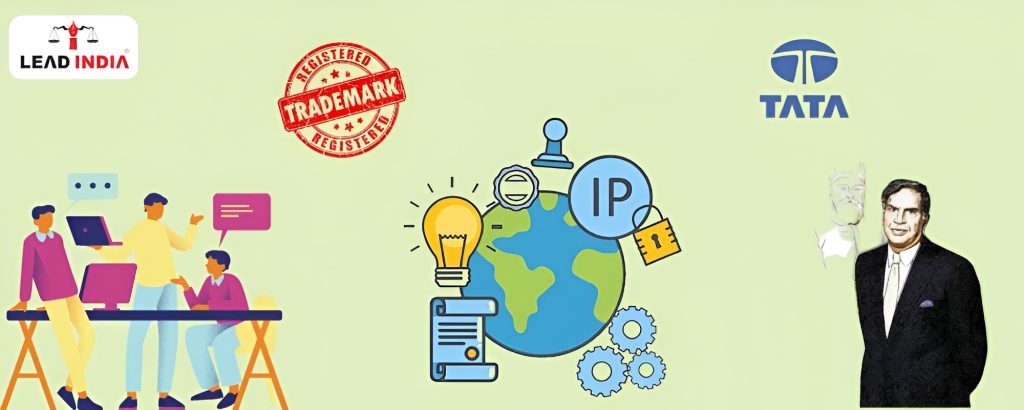
The name “Ratan Tata” was recognized as a well-known trademark in India by the Delhi High Court in May 2025, thus having this landmark judgment. The Court held that the name of Ratan Tata and his personality being one of India’s foremost industrialists and philanthropists, must be protected as are corporate brands.
This case has now set the precedent for personal brand protection in India, whereby the identities of eminent persons cannot be exploited in commerce against their will. The dispute arose due to the unauthorized use of Ratan Tata’s name and photograph by some organization in a commercialized award event and soon provoked the larger issue of celebrity identity rights in the digital age.
Need A Legal Advice
The internet is not a lawyer and neither are you. Talk to a real lawyer about your legal issue
How Was Ratan Tata’s Name Misused in an Award Event?
- The controversy started when Dr. Rajat Srivastava, founder of Delhi Today Group, organized the “Ratan Tata National Icon Award 2024.” The promotions of the event carried Ratan Tata’s name and photograph and likeness, thereby suggesting his involvement.
- The participants were asked to pay nomination fees, thus misleading them into believing that Tata endorsed the award. Ratan Tata had no connection with the event. From experience, many individuals attend such events believing in false celebrity associations. This misuse of goodwill prompted Tata to approach the Delhi High Court.
What Did the Delhi High Court Say About Celebrity Identity?
Justice Mini Pushkarna held that:
- “Ratan Tata” qualifies as a well-known trademark.
- Unauthorized use of his name will amount to the act of infringement as well as passing off, as it caused the public get misled.
- The Tata name enjoys immense goodwill, being fortunate enough to impose serious reputational risks through such misrepresentation.
This case establishes that the law protects not only the celebrity but also the public from being misled.
Can Your Personal Name Be Protected Like a Company Brand?
- Traditionally, trademarks safeguard goods, services, and business names. This judgment extended the scope by affirming that personal names can also function as trademarks if they carry significant reputation.
- The law firm has assisted professionals, authors, and even chefs in trademarking their names. Once your reputation becomes recognizable, it can be legally protected like a company brand.
Which Sections of the Trade Marks Act Protected Ratan Tata?
- Section 2(1) (zb): Defines a well-known trademark as one widely recognized by the public. The court decided that the “Tata” and “Ratan Tata” meet this particular test.
- Section 29: Prohibits unauthorized use of similar marks. Srivastava’s actions created false association.
- Section 30(1): Honest use exception. The court ruled the use was neither honest nor fair.
- Section 135: Remedies. The court issued a permanent injunction.
- Section 27: Unauthorized use does not create rights. Srivastava’s acts were declared bad faith.
From practice, Sections 29 and 135 are the most commonly invoked by clients to stop misuse quickly.
Why Did the Court Call It Passing Off?
Apart from infringement, the court found the organizers guilty of passing off, misrepresenting the event as endorsed by Ratan Tata.
Imagine seeing a product that uses Virat Kohli’s face without his permission. You would assume endorsement, but that assumption would be false. That is exactly the type of misrepresentation the law prevents.
Which Cases Helped Strengthen This Judgment?
- ITC Ltd. v. Punchgini Inc. (2007): Highlighted the importance of goodwill.
- D.M. Entertainment v. Baby Gift House (2010): It protected singer Daler Mehndi’s name.
- Titan Industries v. Ramkumar Jewellers (2012): Celebrity images without consent amount to unfair trade.
- Shivaji Rao Gaikwad v. Varsha Productions (2015): Protected Rajinikanth’s identity.
- Ratan Tata v. Rajat Srivastava (2025): Reinforced that eminent personalities’ names can be declared well-known trademarks.
The Titan vs Ramkumar Jewellers case has been cited on several occasions successfully for courts to underline the seriousness attached to unauthorized celebrity endorsements.
What Does This Mean for Celebrities, Businesses, & Event Organizers?
- Public Figures: Names, images, as well as legacies are now considered protectable intellectual property.
- Corporates and Startups: Always seek consent before using celebrity names or images.
- Event Organizers: Misleading marketing can attract injunctions and damages.
- IP Law: This aligns India with global trends in publicity rights.
We often caution startups about using celebrity names in advertising. This ruling shows the risks are not just reputational but also legal.
What Final Protection Did the Court Grant Ratan Tata?
The Delhi High Court was allowed a permanent injunction restraining Dr. Srivastava and his group from:
- Using Ratan Tata’s name, photograph, or likeness.
- Advertising or hosting events implying Tata’s endorsement.
Injunctions are the most immediate and effective remedy. From experience, once a permanent injunction is issued, misuse usually stops at once.
How Does This Case Fit into Global Trends?
Personal names and likenesses are increasingly treated as economic assets. Global courts in the UK, US, and China have recognized celebrity publicity rights. With this case, India joins that global movement of protecting celebrity identity as intellectual property.
Why This Case Matters for Anyone Building a Personal Brand?
The “Ratan Tata” as a well-known trademark was recognized as a famous event in the domain of Indian intellectual property law. It states that a personal identity as well as the reputation must have as much protection as the corporate trademark.
If you are a public figure, influencer, or professional whose name carries weight, then consider legally securing it. In practice, it is seen that the clients lose business opportunities because their names were misused. This judgment is a wake-up call: your name is not just personal; it is a valuable brand asset.
One can talk to lawyer from Lead India for any kind of legal support. In India, free legal advice online can be obtained at Lead India. Along with receiving free legal advice online, one can also ask questions to the experts online free through Lead India.
FAQs
1. What makes a trademark “well-known” under Indian law?
A trademark is well-known when a sufficiently large section of the public recognizes it as an indication of trust, reputation, or quality beyond the goods or services it is supposed to cover.
2. Can celebrities in India protect their names without registering them as trademarks?
Yes. Even without any kind of formal registration, the courts can recognize a celebrity’s name as well-known mark if it carries strong goodwill as well as reputation.
3. What remedies are available if someone misuses my name or photo in India?
You can approach the courts under the Trade Marks Act, 1999, for injunctions and damages, and also claim protection under the tort of passing off and publicity rights.


 Talk to a Lawyer