
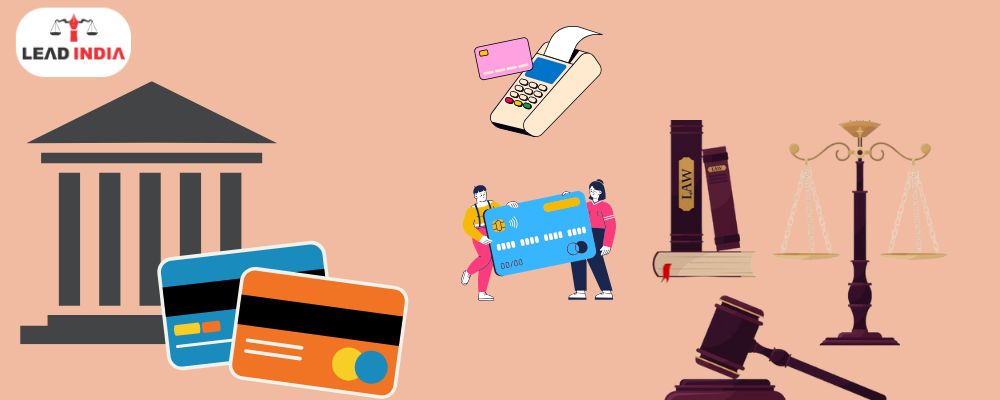
What Is a Credit Card Default?
A credit card default happens when a person fails to pay the minimum due amount on their card for more than six months consecutively. When this happens, the bank may report the individual to credit bureaus, close the credit card account, and begin the process of debt recovery. This situation not only affects one’s credit score but can also lead to legal consequences, both civil and criminal.
What Happens If You Don’t Pay Your Credit Card Bill?
If you delay or skip payments, here are the immediate and long-term consequences:
- Late fees and penalties
- Increased interest rates
- Drop in credit score
- Credit card account freeze
- Debt transferred to a collection agency
- Risk of being sued by the bank or agency
Once a credit card account becomes a Non-Performing Asset (NPA), the loan recovery team of the bank or a third-party recovery agent will start reaching out to the defaulter.
Need A Legal Advice
The internet is not a lawyer and neither are you. Talk to a real lawyer about your legal issue
What If You Haven’t Paid for Over 2 Years?
If no payment has been made for more than 2 years, the bank treats this as a long-term default. Typically, before legal action, the following steps are taken:
- Reminder calls and messages from the bank’s recovery department.
- Official notices via post, email, or SMS requesting payment.
- Closure of the account and notification to credit bureaus.
- Referral to a collection agency, which might lead to a lawsuit.
At this stage, civil action can be initiated, and the credit card holder may be taken to court.
Can a Bank File a Case for Credit Card Default?
Yes. Banks in India are legally empowered to take both civil and criminal actions against credit card defaulters, especially in high-value or long-term default cases.
Civil Case
Banks can file a civil suit for recovery of dues. The case is generally filed in a civil court or Debt Recovery Tribunal (DRT), depending on the outstanding amount.
If the court finds the defaulter liable, it can:
- Direct the person to repay the debt
- Order attachment of assets or salary
- Impose court costs and legal fees
Criminal Case
A criminal case is filed only if fraudulent intent is involved, such as:
- Taking a card with fake documents
- Intentionally issuing a bounced cheque for repayment
- Making purchases with no intention to pay
Such cases can be prosecuted under:
- Section 417IPC, 420 of IPC (Cheating and Fraud)/ / 318 BNS (Cheating and Fraud)/
- They cannot call at odd hours or make threats.
- If any misbehavior occurs, the customer can file a complaint with the bank.
- The bank is obligated to investigate complaints against recovery agencies.
- In cases of family tragedy or medical emergencies, recovery agents must avoid visiting or calling for a limited period if requested.
These guidelines are part of consumer protection norms and help maintain dignity even during financial difficulties.
What You Should NOT Do
- Ignore bank notices or legal correspondence
- Avoid phone calls or visits from the bank’s legal team
- Give cheques you can’t honour
- Assume the issue will disappear over time
Delaying action can worsen your credit profile and make legal recovery more aggressive.
What You Should Do
- Respond to notices promptly.
- If unable to pay in full, request a settlement or payment plan.
- Check if the debt is time-barred (beyond 3 years with no payment or acknowledgment).
- Negotiate interest waivers if possible.
- Contact a lawyer experienced in financial disputes.
What Is a Time-Barred Debt?
As per the Limitation Act, 1963, if there is no payment, acknowledgment, or written commitment for over 3 years, the creditor cannot legally enforce the debt through court. However, this does not erase the debt—it just makes it unenforceable in law unless the borrower revives it.
Conclusion
Defaulting on credit card payments is a serious financial issue, but it’s not the end. You still have legal rights and options. Banks can take you to court, but they must follow due process and respect guidelines laid out by the Supreme Court.
If you’ve received a legal notice for non-payment, take it seriously. Consult a lawyer, check if the debt is enforceable, and understand your rights and liabilities. Ignoring it will only worsen your financial and legal position.
One can talk to lawyers from Lead India for any kind of legal support. In India, free legal advice online can be obtained at Lead India. Along with receiving free legal advice online, one can also ask questions to the experts online free through Lead India.
FAQs
1. Can I be jailed for credit card default in India?
No, not for non-payment alone. Jail is possible only in cases of fraud or cheque bounce with dishonest intent.
2. What if I’ve received a legal notice from the bank?
Do not ignore it. Speak to a legal expert immediately and check for options like settlement or defense in court.
3. Will my credit score improve if I settle the dues later?
Yes, but it takes time. After full settlement or part-payment, the credit report reflects a closed or settled account, improving your score gradually.
4. Can I negotiate with the bank directly?
Yes, you can try to settle for a lesser amount or request EMI-based repayment. Keep everything documented in writing.
5. Is recovery through calls and visits legal?
Yes, but only within limits. Harassment, abusive behavior, or odd-hour visits are illegal, and you can file a complaint.


 Talk to a Lawyer