
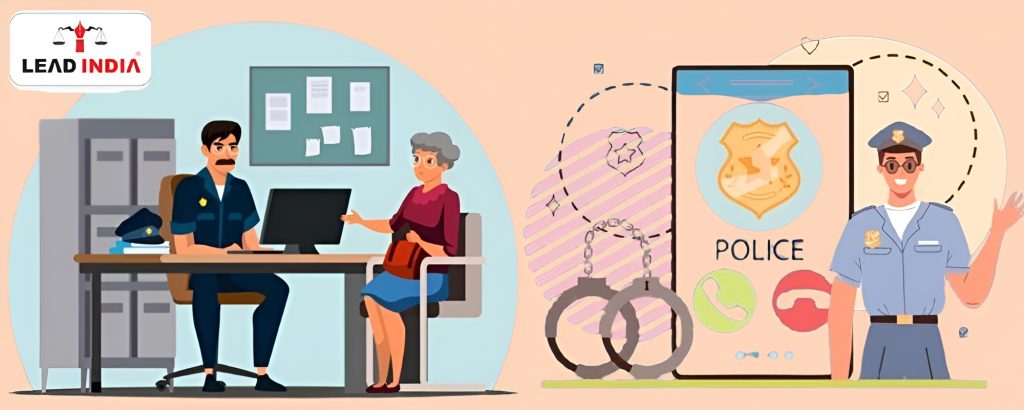
When the person receives the repeated calls from police asking them to come to the police station, the first question is: “Am I legally required to go to the police station every time the police call me?”
This confusion is very much in common.
Understanding as to what the law actually is about police questioning, written notices, as well as the citizens’ rights can help you avoid all the unnecessary fear and then protect yourself from the possible misuse of authority.
What Police Investigation Powers Actually Mean
The police have the power to investigate criminal offenses and gather evidence in India. The police need to interview various people who have information about the case because they require multiple sources to solve the investigation. The police must follow legal guidelines which define their power to perform their duties because police authority cannot be used at will.
The Bharatiya Nagarik Suraksha Sanhita, 2023 (BNSS), which has replaced the Code of Criminal Procedure (CrPC), requires a police officer asking an individual to come to them as a witness or for any other reason to provide a formal written notice to the individual requesting that the individual come and talk with them.
The reason for this is to help ensure police exercise their authority in a responsible manner and individuals do not have to be subjected to excessive harassment by the police.
What a Phone Call from Police Really Means
People think that when they get a phone call from a police officer it means that the officer has officially summoned them to court. The public misinterprets police phone calls because officers use them to bring people into police stations for investigative interrogations. Police officers who need to question someone will call them but the call serves as an informal invitation rather than a formal command to report for questioning.
People who receive police phone calls do not have to report to the police station unless police officers have issued a written notice according to the proper legal procedure.
The best way for a person to help an investigation is to share all information they have about the case with law enforcement officials. The investigative process becomes more efficient when people participate because their help decreases the chances of problems occurring during the investigation.
A phone call from police officers does not create a legal requirement for someone to follow the instructions given during the call.
When the Police Can Legally Require You to Appear
In contractual law, there may be various reasons for wanting to contact someone; for instance, if you have contracted to buy a car from someone, you would want to reach out on how and when you can pick up the car.
The BNSS allows police officers, under Section 179, to obtain the presence of a person who has knowledge of or can provide information about a criminal investigation.
Normally, a written notice must be issued by the police officer who is requesting that the person attend at a certain time and date to give evidence to them.
In addition, police provide notification to individuals protected under the BNSS by notifying them they may be able to appear without being arrested under Section 35 (same as Section 41A of CrPC).
Finally, if you are issued a summons or warrant by the court you must respond to it as per law.
The obligation to appear for the police typically only arises when a formal legal notice or a court order has been issued.
Special Legal Protection for Women, Children, and Senior Citizens
Certain types of people have extra protections from the police investigations under Indian law.
Under Section 179 BNSS, the police cannot require certain types of people to come into the police station for questioning. This type of person is:
- Woman
- Under 15 years old
- Over 60 years old
Instead of taking such people to the police station to answer questions, the police must take the person’s statement at their home or a place to them.
This law exists to prevent disruptions and fear for those most affected by an investigation.
What Should You Do If Police Call You Repeatedly
The police department needs to prove its reasons for contacting you because they requested your presence through their repeated phone calls without sending you an official summons by mail.
- The first step requires you to request the officer to show proof of any requests made for your presence.
- The second step requires you to record all received calls by writing down the officer’s name and the call’s date and time and the complete dialogue.
- If you experience persistent harassment from an officer who keeps calling you after you requested a written order then you should consult with a criminal attorney to explore your legal options based on your situation.
In extreme situations when police officers misuse their authority citizens can report the situation to police department officials or they can request protection from high courts through Article 226 of the Constitution against police harassment
Important Court Decisions on Police Powers
The Supreme Court of India has issued multiple rulings which establish that police authorities must carry out their duties according to constitutional principles through careful exercise of their powers.
- The Supreme Court recognized personal liberty as a fundamental right under Article 21 of the Constitution in Joginder Kumar v. State of Uttar Pradesh (1994) which established that police officers need valid reasons to detain or summon individuals.
- The Supreme Court established necessary guidelines for police officers to avoid unnecessary arrests through Arnesh Kumar v. State of Bihar (2014) which required police officers to complete due process before conducting any form of forceful action.
These cases demonstrate a consistent theme that police investigations must follow prescribed lawful procedures and respect the rights of individuals.
Your Rights During Police Questioning
- You need to understand your legal rights before you go to the police station for your interview.
- The police must explain to you the reasons for your interview because you have the right to know. Article 20(3) of the constitution protects you from being forced to provide self-incriminating evidence.
- You have the legal right to contact a lawyer at any point during your interview while police officers are required to treat you with complete dignity and respect.
- Police officers who use threats or false evidence or confessions to conduct interviews with suspects violate the constitutional rights that protect all citizens.
You need to understand your rights because this knowledge will help you deal with police officers in a positive and lawful manner.
Practical Risks of Ignoring Police Communication
Although a phone call alone does not usually create a legal obligation, to ignore police contact or requests at all may create difficulties for the subject in some cases. If an individual continues to ignore the police’s requests for their cooperation in relation to an investigation, eventually an officer will issue a formal notice for that individual to appear. In certain situations, a lack of cooperation by an individual can cause suspicion or prolong the investigation.
Therefore, the best approach is to be as cooperative as possible and at the same time ensure that the police are proceeding with a formal legal process prescribed by the law.
Police Calls vs Legal Summons
To put it simply: Law enforcement officials use police phone inquiries as an informal method to contact the police, but written notice or special delivery or citation or court document from law enforcement establishes a binding legal agreement between the receiving party and the police.
Typically, a phone call alone does not create any criminal liability against the person receiving the voicemail; however, a written notice or court order must be honoured without exception unless valid reason exists to the contrary.
This understanding of the differences provides a foundation for people to respond appropriately to communications received from Local Crime Jury or law enforcement authorities.
What You Should Practically Do Right Now
If at all you are receiving the repeated calls from the police:
- Do not usually panic or assume that you are guilty of any kind of offence
- Politely ask for the written notice if your presence is fully required
- Maintain the records of the police communication
- Seek the legal advice if at all the situation becomes stressful
- Cooperate with the lawful investigations while protecting your rights
Understanding the legal process can help you handle such types of situations calmly as well as confidently.
How Lawyers Can Help in Such Situations
People who deal with frequent police encounters or confusing police procedures need to have legal representation because they need it. Your lawyer will help you identify legal police procedures, create an appropriate response plan, and safeguard your constitutional rights.
Legal representation during an investigation protects you from police harassment and pressure because an attorney will guide you through the entire process.
One can talk to lawyer from Lead India for any kind of legal support. In India, free legal advice online can be obtained at Lead India. Along with receiving free legal advice online, one can also ask questions to the experts online free through Lead India.
FAQs
1. Are you required to go to the police station if at all the police call you?
No. The phone call usually does not create the legal obligation. The police need to issue the written notice under law.
2. Can the police force you to come to the police station without the notice?
Normally they cannot compel the appearance without the following legal procedure unless there are exceptional circumstances.
3. What happens if at all you ignore the police calls?
The police may issue the formal written notice requiring your appearance.
4. Can the women be called to the police station for the questioning?
Generally, the women cannot be required to appear at the police station as their statements should be recorded at the residence.
5. Can the police arrest someone for not at all responding to the phone call?
No. The arrest requires the legal grounds as well as it cannot be based solely on ignoring the phone call.


 Talk to a Lawyer