General Legal issues

What to do if I am illegally terminated from my office?

What to do if I am illegally terminated from my office?

If you have an employment contract, it will usually outline the terms of your employment, including the grounds for termination. If you do not have a contract, check the company’s policies to see if the termination was consistent with the policy. Gather evidence: Gather any relevant evidence that supports your claim, such as emails, performance …

What to do if I am illegally terminated from my office? Read More »

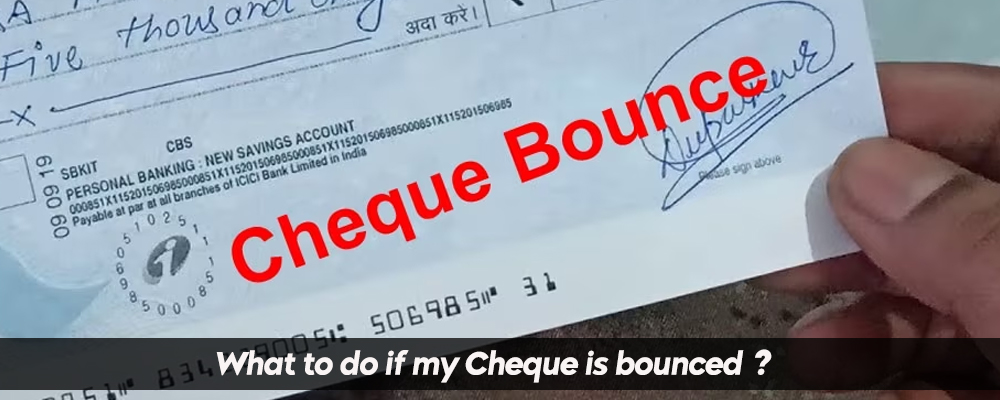
Crucial Case Laws Regarding Cheque Bounce: Negotiable Instruments Act Section 138

Crucial Case Laws Regarding Cheque Bounce: Negotiable Instruments Act Section 138

In India, check bounce cases are governed by Section 138 of the Negotiable Instruments Act, 1881. This law prohibits dishonouring checks for nonpayment or other specified reasons. Top Landmark Judgments under Section 138 NI Act 1. Dashrath Rupsingh Rathod v. State of Maharashtra (2014) Citation: (2014) 9 SCC 129 Key Holding: Jurisdiction lies where the …

Crucial Case Laws Regarding Cheque Bounce: Negotiable Instruments Act Section 138 Read More »

Company liabilities over employers and employees

Company liabilities over employers and employees

The law that governs company liabilities over employers and employees varies depending on the country and jurisdiction in which the company operates. However, some common laws and regulations that govern the relationship between employers and employees include: Employment laws These laws govern the hiring, termination, and working conditions of employees. They can include minimum wage …

Company liabilities over employers and employees Read More »

Different Debt Recovery Laws In India

Different Debt Recovery Laws In India

There are several laws in India that deal with money recovery. These laws provide a legal framework for creditors to recover debts from debtors. Here are the different laws that govern money recovery in India: Negotiable Instruments Act, 1881 This law deals with the recovery of money through negotiable instruments such as cheques, promissory notes, …

Different Debt Recovery Laws In India Read More »

Preference of Mutual Divorce over Contested Divorce?

Preference of Mutual Divorce over Contested Divorce

In India, mutual divorce is generally preferred over contested divorce for several reasons: 1. Time and Cost-Effective: Mutual divorce is a faster and more cost-effective option compared to a contested divorce. In a contested divorce, the legal process can take several years, and legal fees can be very high, whereas in mutual divorce, the process …

Preference of Mutual Divorce over Contested Divorce? Read More »